The information on this website is general in nature and does not take into account your objectives, financial situation, or needs. Consider seeking personal advice from a licensed adviser before acting on any information.
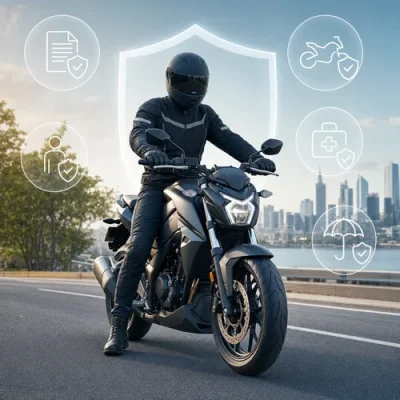
When you're cruising down Australia's open roads on your motorbike, the last thing you want to worry about is whether you're adequately covered. Motorbike insurance is essential for providing financial protection in the case of accidents, theft, or damage. The right insurance ensures that you can enjoy your ride with peace of mind, knowing that you're safeguarded against unexpected events.
For Australian riders, having the right insurance is not just a matter of legal compliance, but also a smart financial decision. It can cover a range of scenarios, from minor scrapes to more serious incidents. Moreover, comprehensive insurance plans often provide additional benefits, such as covering gear and accessories or offering roadside assistance.
In this article, we'll explore the key factors to consider when selecting motorbike insurance. From understanding different policy types to identifying coverage that matches your needs, this guide offers insights to help you make an informed decision. Whether you're a new rider or a seasoned enthusiast, ensuring the right protection is crucial to keeping your adventures stress-free.
Understanding Different Types of Motorbike Insurance
When it comes to motorbike insurance, understanding the available options can help you make the best decision for your needs. Comprehensive insurance is often viewed as the most extensive type of coverage, providing protection not only for your own bike in the event of an accident, but also for damages to other vehicles or property. It typically covers theft, vandalism, and even natural disasters.
On the other hand, third-party insurance is more basic and usually less expensive. It covers damages you might cause to other vehicles and property, but it won't pay for repairs to your own bike. This makes it a popular choice for riders who have older bikes or those who mainly ride in lower-risk environments.
Another option to consider is third-party fire and theft coverage, which sits somewhere in between comprehensive and basic third-party insurance. This type of insurance includes all the benefits of third-party coverage but adds protection against theft and fire damage. It's a good middle ground if you're concerned about these specific risks but want to keep insurance costs down.
Ultimately, choosing the right type of insurance depends on your individual circumstances. Consider factors such as your bike's value, how often you ride, and where you store your bike. By assessing these elements, you can find a policy that balances cost with the level of protection you need.
Evaluating Your Specific Insurance Needs
When selecting motorbike insurance, evaluating your specific needs is a crucial step. Start by assessing the value of your motorbike. A high-value bike may require more comprehensive coverage to protect your investment, whereas a less expensive bike might warrant a more basic policy. Understanding your bike's worth can help you decide on the appropriate level of coverage.
Next, consider how frequently and in what manner you use your bike. If you ride daily or often participate in long-distance trips, comprehensive insurance might be worthwhile. For occasional or weekend riders, a basic third-party policy might suffice. The type of terrain you typically ride on can also influence your decision, as off-road conditions might call for more robust coverage.
Your budget constraints and risk tolerance are other important factors. Balancing premium costs with the extent of coverage is key. While it's tempting to opt for the lowest premium, ensure the policy provides adequate protection for your circumstances. It's about finding a middle ground where you're not overinsured but still sufficiently protected.
Lastly, consider any additional coverage you might need. Do you want add-ons like roadside assistance or cover for your riding gear? Tailoring your insurance policy to include these features could offer greater peace of mind. By carefully evaluating these aspects, you can select a motorbike insurance policy that aligns with your personal and financial needs.
Factors That Affect Your Insurance Premium
When you're hunting for motorbike insurance, it's essential to understand the factors that influence your premium. Your driving history plays a significant role; a clean record can earn you lower rates, while past incidents may increase your costs. Additionally, your age can affect premiums. Generally, younger riders face higher premiums due to perceived risk, but this can decrease as you gain more experience.
The make and model of your motorbike are also critical in determining your premiums. High-performance bikes or those with expensive modifications can attract higher insurance costs. Insurers view these as higher-risk due to their potential for theft and greater repair costs. On the other hand, standard or lower-powered bikes usually come with more affordable insurance options.
Your location and how you store your motorbike can further impact your premium. Riders living in areas with higher crime rates might face increased premiums. Secure storage solutions, like locked garages, can help mitigate this by reducing the risk of theft in the eyes of insurers. Insurers often provide discounts for taking such preventive measures.
Lastly, the concept of excess amounts is crucial. An excess is what you pay out-of-pocket in the event of a claim. Opting for a higher excess can reduce your premium, but it's a trade-off. It's crucial to assess your financial capability to pay this excess if needed, ensuring it doesn't become a financial burden during a claim. Understanding these factors helps you choose an insurance policy that reflects your circumstances more accurately, balancing cost with necessary coverage.
Tips for Finding Affordable Insurance Options
Finding affordable motorbike insurance doesn't have to be a daunting task. One effective strategy is to compare quotes from multiple providers. By shopping around, you can get a sense of the market rates and identify the best deal for your needs. Each insurer weighs factors differently, so it pays to see how your premium varies across different companies.
Another tip is to bundle your insurance policies. Many insurers offer discounts when you combine multiple types of coverage with them, such as motorbike, car, and home insurance. This not only simplifies your billing but can also lead to significant savings.
Taking advantage of a no-claim bonus can also lower your insurance costs. Many insurers offer reduced premiums if you haven't made a claim in recent years. This incentivises safe riding, rewarding you with lower costs for staying claim-free.
Opting for a higher excess is another method to reduce your premiums. By choosing to pay more out-of-pocket in the event of a claim, your monthly or yearly costs can decrease. However, it's essential to ensure that you can comfortably afford this excess if you need to make a claim. Balancing your risk tolerance with affordability can help you keep your motorbike insurance costs manageable, without sacrificing necessary coverage.
Flexibility and Customisation in Policies
When selecting motorbike insurance, one of the essential factors to consider is the flexibility of the policy. Flexibility in coverage options allows you to tailor the insurance to suit your unique needs and preferences. This customisation ensures you’re only paying for what is necessary while having the right element of protection that mirrors your riding habits and risks.
Customisable policies offer the benefit of reflecting specific rider needs. For instance, if you primarily ride in urban areas versus long country rides, the coverage requirements might differ significantly. Customised options enable you to focus on what matters most for your riding style, whether it be the inclusion of accidental damage cover or third-party fire and theft protection.
Beyond standard inclusions, evaluating additional features like roadside assistance can be valuable. Services such as towing, flat tire repair, and fuel delivery can be lifesavers in the event of a breakdown. Other features might include coverage for your riding gear or a rental bike if yours is off the road. These add-ons enhance peace of mind, knowing that additional support and financial coverages are in place should unexpected situations arise.
Ultimately, choosing a flexible and customised policy means you can create a more personalised insurance package. This approach not only caters directly to your needs but can also prove to be a cost-efficient way to ensure you are sufficiently covered without over-insuring on less relevant risks.
Reading and Understanding the Policy Details
When it comes to motorbike insurance, thoroughly understanding your policy is key. This begins with reading the Product Disclosure Statement (PDS), which provides crucial details about what the insurance covers and its terms. The PDS is a comprehensive document that lays out the specifics of your policy, ensuring you're fully informed about your coverage.
Taking the time to read the PDS can prevent surprises when you need to make a claim. It's common to encounter unfamiliar terms or conditions within these documents. It's important to clarify anything that isn't clear. Don't hesitate to contact your insurer and ask questions. Understanding every detail now can save you a lot of headaches later on.
While reviewing your policy, pay special attention to exclusions and limitations. These are the circumstances under which your insurance may not provide coverage or might have restrictions. Knowing these helps manage your expectations and aids in planning how to handle any potential risks not covered by the policy.
By being proactive in understanding your insurance policy's details, you not only secure better peace of mind but also empower yourself to make informed decisions. This diligence ensures that you have chosen a policy tailored to your needs without any hidden surprises, offering you confidence in your coverage.
Assessing Insurer Reputation and Customer Service
When choosing motorbike insurance, assessing the reputation and customer service quality of the insurer is crucial. Start by researching online reviews and ratings. Customer feedback can provide valuable insights into the experiences of other policyholders, revealing how insurers handle claims and their overall satisfaction levels. Look for patterns in reviews, paying attention to both positive and negative aspects to get a balanced view.
Another important factor is the availability and accessibility of customer support. Frequently contacting your insurer for inquiries or during a claim process means you'll want responsive and helpful service. An insurer that offers multiple contact options, such as phone, email, and online chat, can be beneficial, especially if you're in need of timely assistance. Availability outside of normal business hours, including weekends, is a bonus for those with busy schedules.
Customer satisfaction is often closely tied to the insurer's claims handling process. Efficient and fair claims processing can make a significant difference in your experience. It's helpful to determine the average time it takes for claims to be settled and see if past customers reported satisfaction with the outcome. Checking if the insurer has awards or recognitions for service excellence can also be reassuring.
Choosing an insurer with a stellar reputation and commendable customer service not only ensures you're selecting a reliable company but also offers peace of mind knowing they will be supportive and efficient when you need them the most. This focus on reputation and service quality can greatly enhance your overall insurance experience.
Conclusion and Final Thoughts
As we wrap up our exploration into the essential factors for selecting motorbike insurance, it's evident that the right coverage is more than just a legal requirement - it's a smart financial safeguard. We've delved into the importance of evaluating your specific insurance needs, from understanding policy types and premiums to recognising the impact of your riding habits. Each aspect plays a role in crafting a policy that provides adequate protection without overspending.
It's crucial to choose insurance that aligns with your personal lifestyle and riding habits. Whether you're a daily commuter, weekend warrior, or leisurely cruiser, there's a policy tailored for you. Identifying your specific needs ensures that you invest in coverage that not only complies with the law but also enhances your confidence each time you hit the road.
For achieving true peace of mind while riding, don't forget to leverage flexibility and customisation in your policy options. By staying informed and actively managing your coverage, you can enjoy every journey with the assurance that you're prepared for the unexpected. So, take the time to choose wisely, consult your prospects, and let your motorbike adventures continue with both excitement and security.
Published: Tuesday, 5th May 2026
Author: Paige Estritori



I nearly got caught choosing cheaper motorbike insurance without realising how much I’d have to cough up if I actually claimed. Reading the PDS is boring as anything, but yeah, probably worth doing properly.